Winter and freezing conditions
New Hampshire winters bring indoor heating and higher humidity in some spots. Poorly sealed spaces can also trap moisture, which feeds mold and bacteria. Keep humidity levels reasonable with sensible ventilation and use exhaust fans in bathrooms and kitchens. If you notice condensation on windows or walls, that’s a sign to check for hidden moisture problems.
Freeze-thaw cycles can hide leaks behind walls. If you suspect a hidden leak, don’t wait. Early identification and containment reduce the risk of widespread contamination and make the cleanup easier for our team of biohazard remediation technicians across the state.
Spring and early summer prep
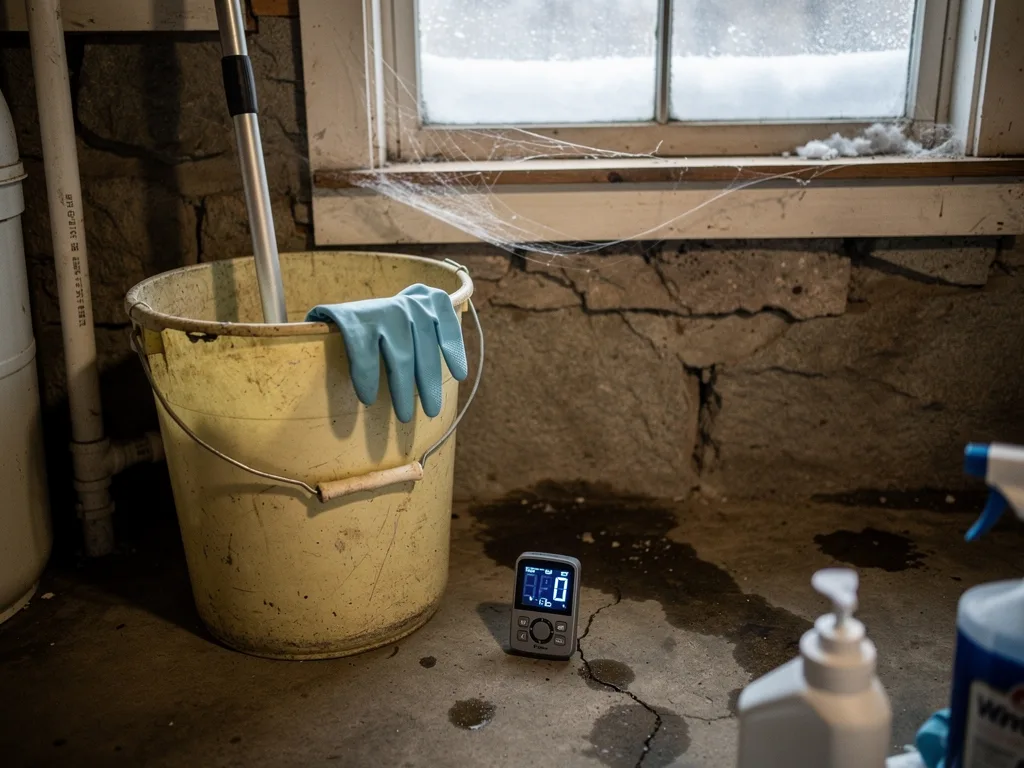
Snowmelt and spring rains can bring moisture into basements or crawlspaces. Schedule a check of sump pumps, sump basins, and drainage systems. Look for damp odors or damp patches on floors, especially in lower levels. Catching these early helps keep mold and bacteria from taking hold in New Hampshire homes.
Inspect attics and roof lines for leaks after heavy rains. Stains on ceiling materials can indicate water intrusion that later becomes a biohazard issue if not handled properly by a professional team when needed.
Fall reminders and year-round vigilance
As temperatures drop, check for drafts that draw in outdoor moisture. Keep spaces ventilated, especially in areas that have seen moisture or staining. If you’re preparing for holidays or hosting visitors, ensure that spaces prone to higher use are well cleaned and inspected for any signs of contamination that require professional cleaning.
Across New Hampshire, regular inspections by our crews help maintain safe homes. We tailor assessments for climate-related risks and provide practical steps you can take now to prevent issues later.