Know the limits of DIY in New Hampshire homes
Do-it-yourself attempts can work for minor messes, but biohazard cleanup is a health and safety matter. Across New Hampshire, not every spill or stain is the same. Some situations require professional containment, protective equipment, and specialized cleaning methods that homeowners don’t typically have on hand.
Basic cleaning might help surfaces, but it rarely addresses microscopic contaminants, odors that linger, or structural and porous materials that harbor hazards. A cautious approach keeps your family safer and avoids inadvertently spreading contamination to other rooms.
When to call a biohazard remediation technician
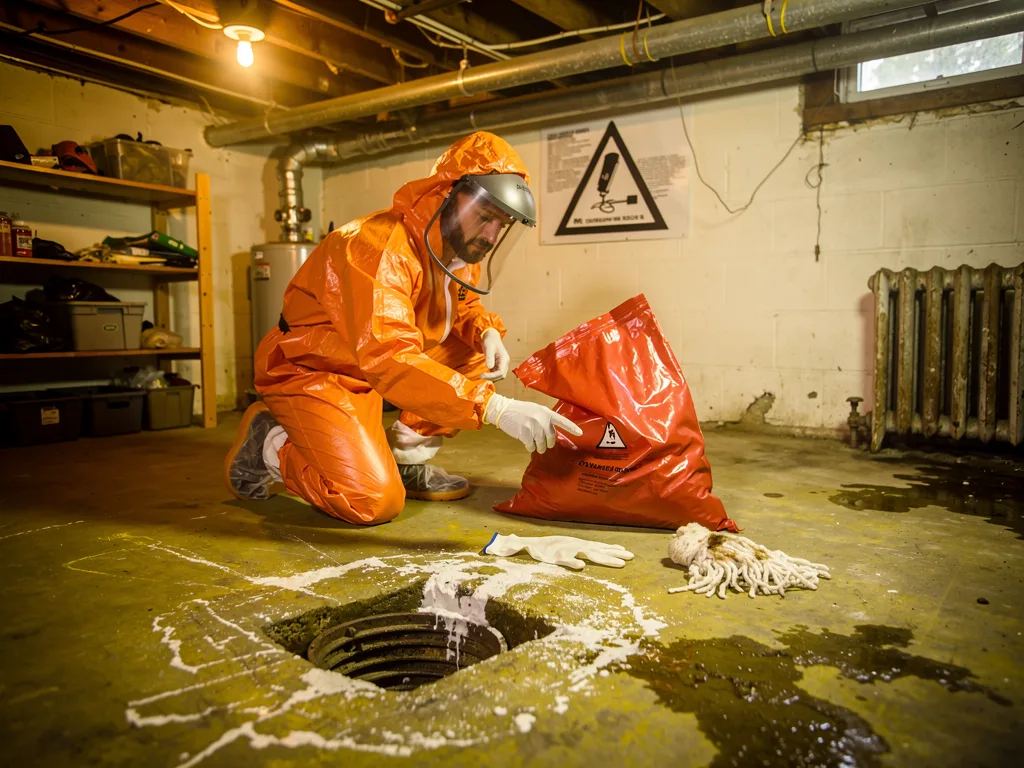
Consider calling a professional if you encounter any of the following: bloodborne or bodily fluids, mold growth as a result of water intrusion, or signs of contamination in areas that are hard to reach. In New Hampshire, our crews assess the entire property to determine containment needs, ventilation requirements, and proper disposal methods that comply with safety standards.
Other red flags include persistent odors after cleaning, unusual staining on drywall or insulation, and any situation where people in the home have compromised health. If you’re unsure, a quick consultation from a biohazard remediation technician can save time and reduce risk.
Practical steps if you’re tempted to DIY
- Limit access to the affected area to prevent exposure.
- Avoid mixing household cleaners; some combinations release harmful gases.
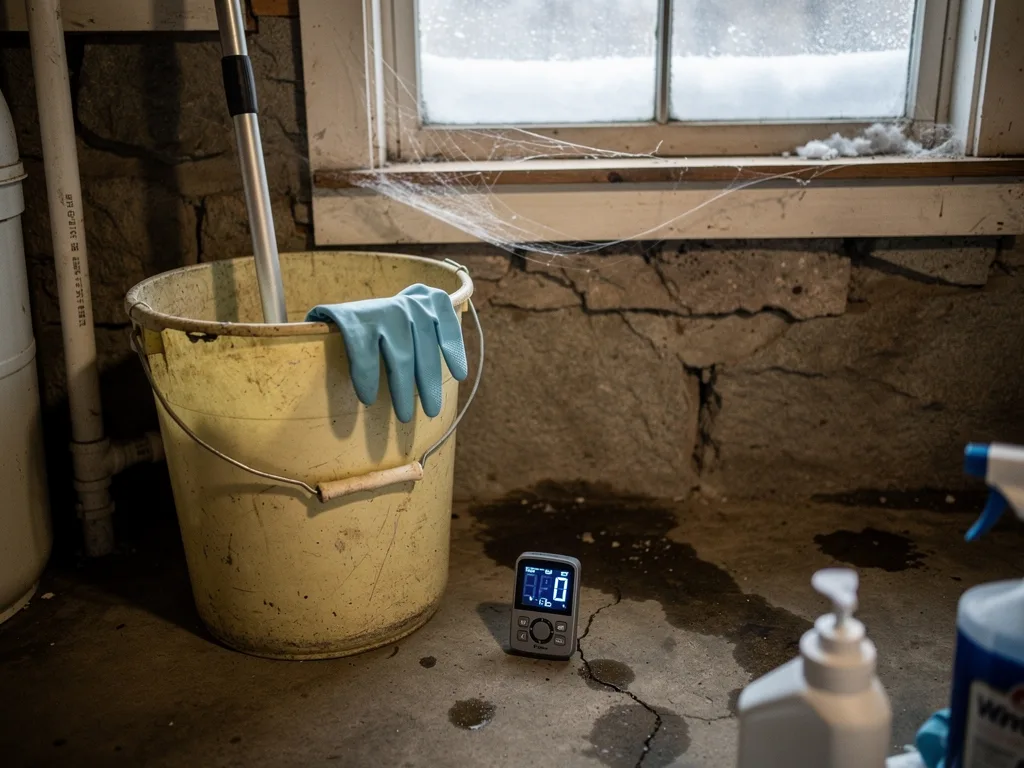
- Wear appropriate protective gear if you handle any cleanup, including gloves and a mask, and ventilate the space safely.
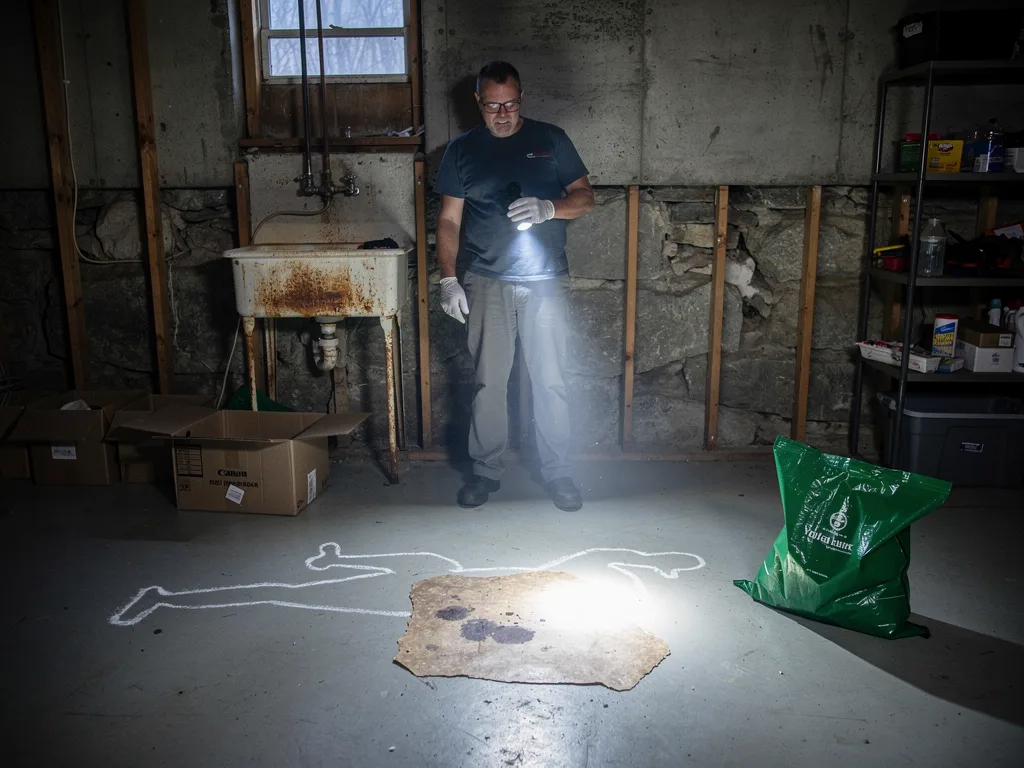
- Document the area and notes on what you observe for the professional assessment.
In New Hampshire, involving biohazard remediation technicians early helps ensure the problem is contained, removed, and cleaned properly, with a plan that suits the whole property.